Transpacific Q4 outlook: five numbers every shipper should watch
Rates are firming, carriers are blanking sailings and the Panama Canal is back to full draft. Here is what it means for your peak season.
Rates are firming, carriers are blanking sailings and the Panama Canal is back to full draft. Here is what it means for your peak season.
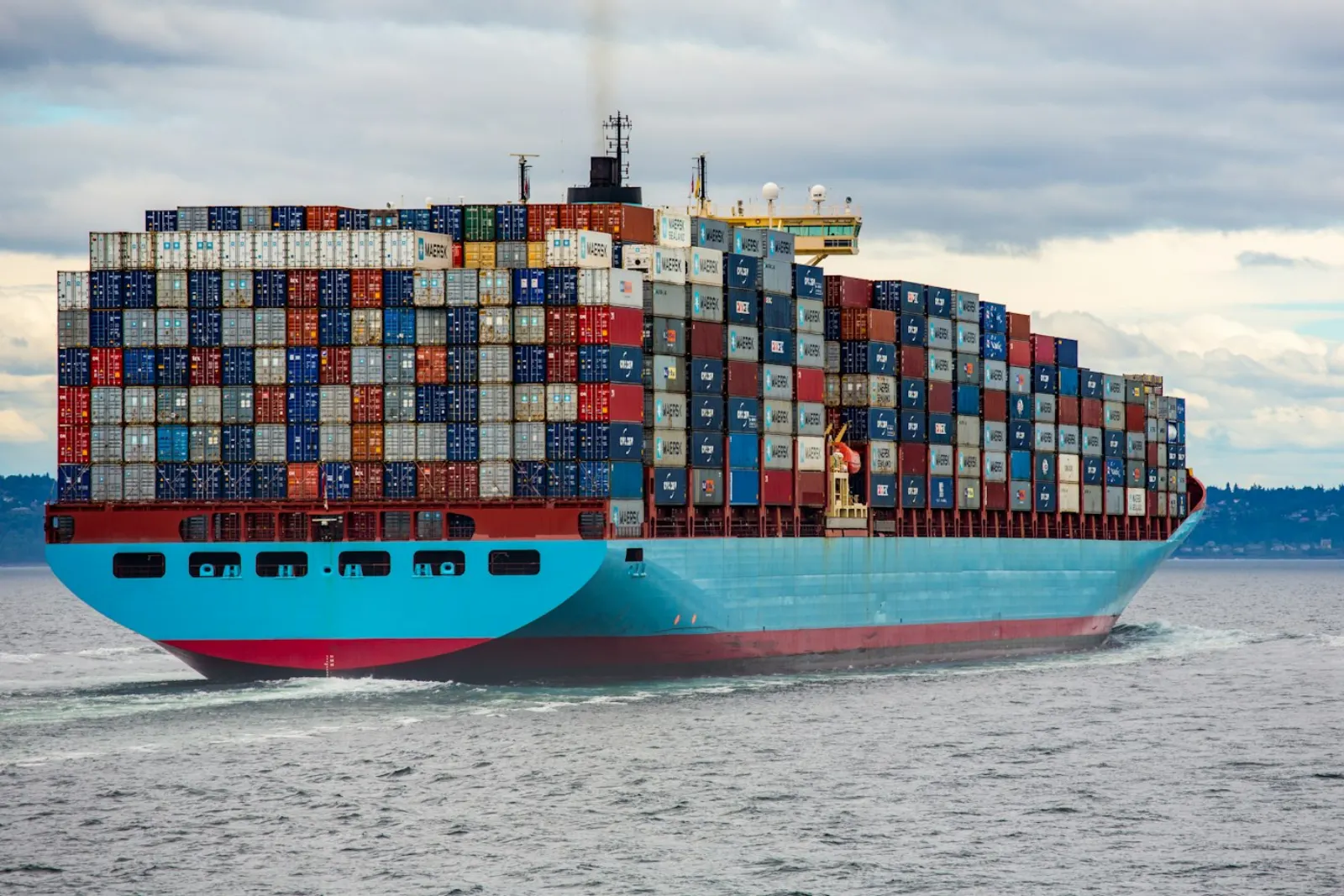
Every October our pricing desk sits down with a whiteboard and five numbers. They are not the only metrics that matter, but together they explain most of what happens to transpacific rates between now and Chinese New Year.
Carriers have cancelled 41 transpacific sailings for weeks 41–45, removing roughly 9% of capacity. Expect spot rates to firm 5–8% even as demand stays flat.
Import dwell at Los Angeles and Long Beach is back near pre-pandemic levels. That is good news for rail ramp availability — and the reason we keep recommending intermodal for Midwest destinations.
“Book four weeks out for anything that has to be on a shelf before Black Friday.” — Sofia Reyes, Client Success
Low-sulphur fuel has eased 6% since summer. Carrier BAF surcharges lag by a month, so the relief shows up on November invoices.
Full draft has returned, which brings all-water East Coast services back into play for shippers who can trade a week of transit for a lower rate.
Spot now sits $310 above typical contract rates per FEU. If you move ten or more containers a month, now is a good moment to talk to us about locking Q1.

Who pays, who insures and where the risk changes hands — explained with one shipment.
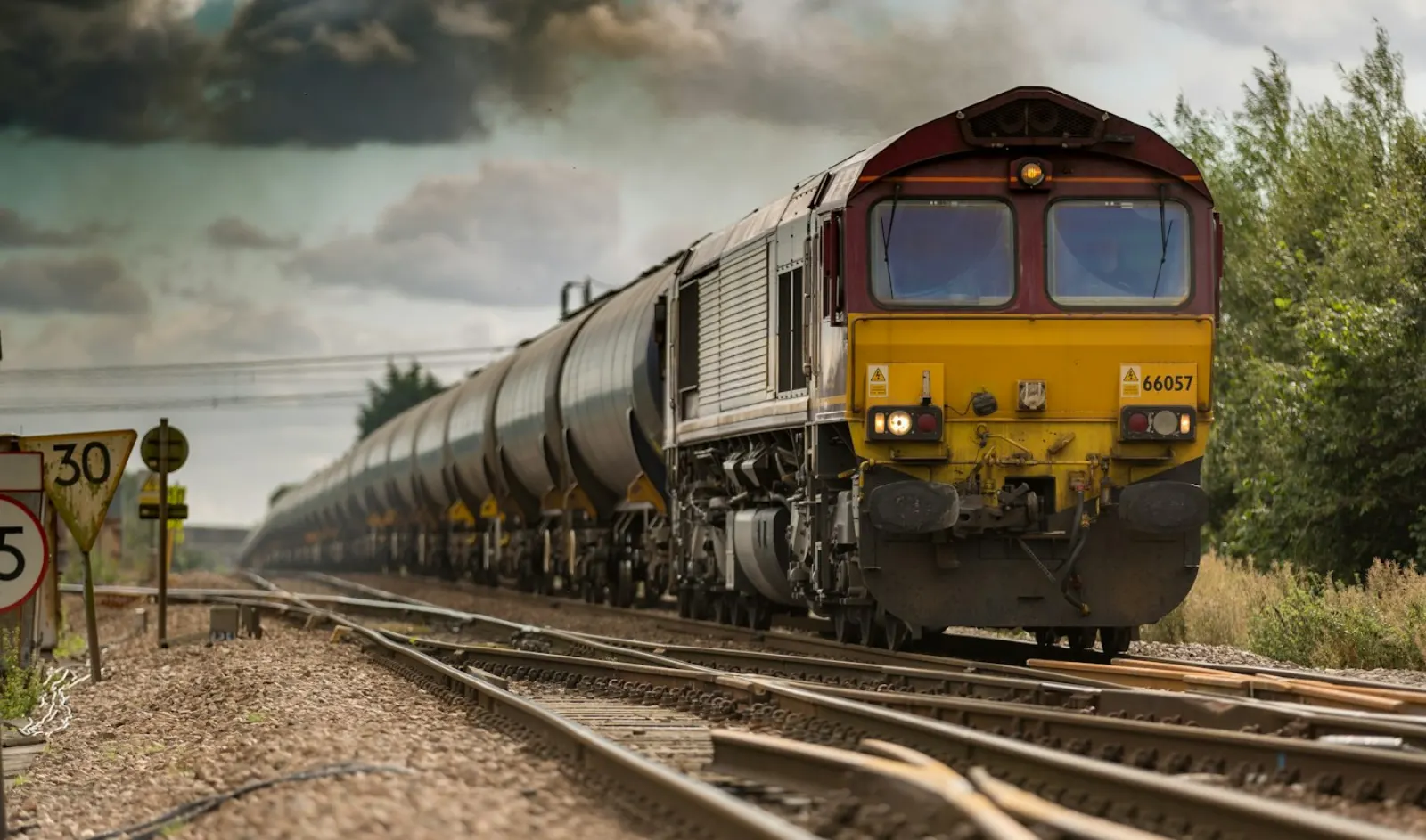
Lower cost per mile, 62% less CO₂ and fewer driver shortages. The trade-off is two days.
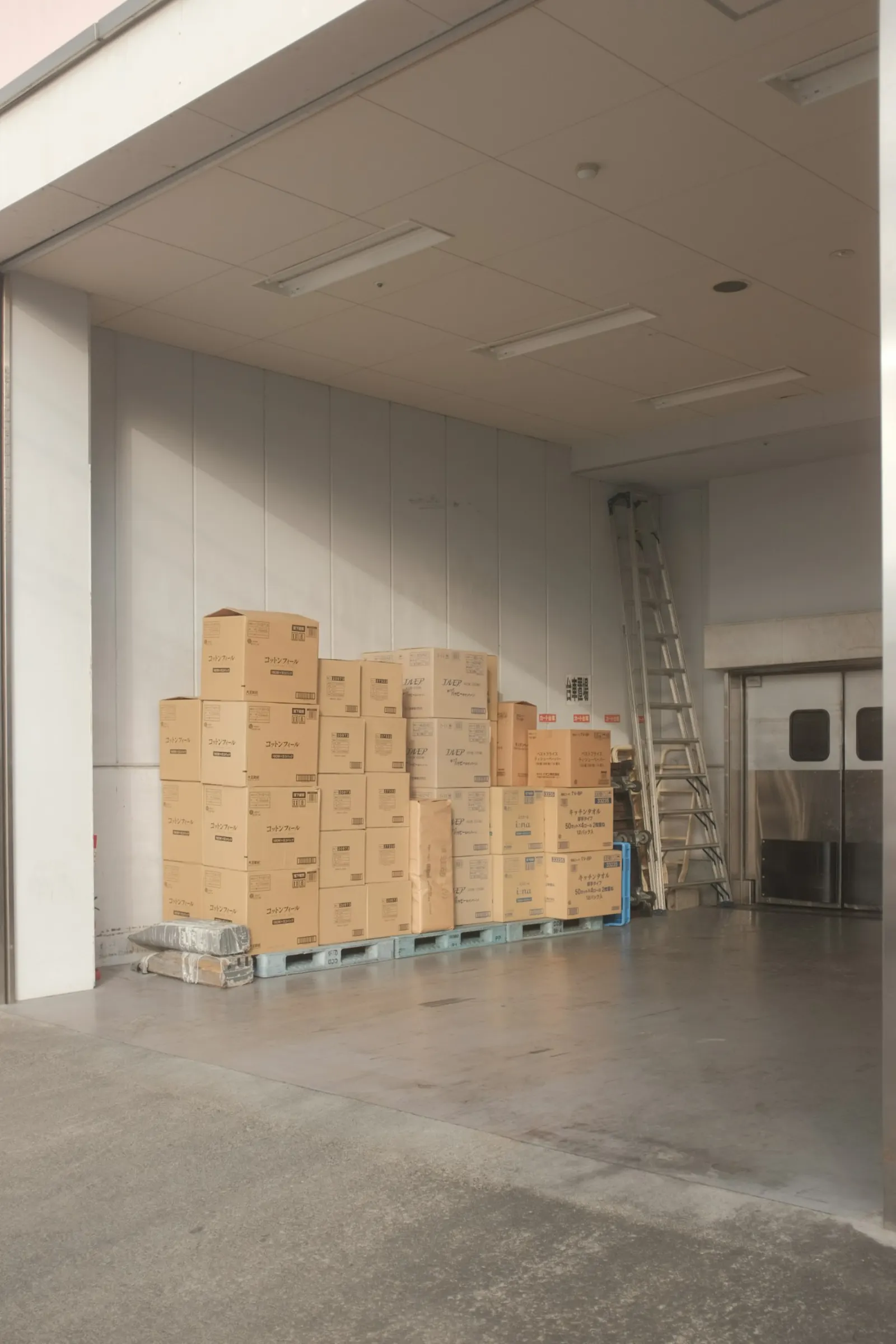
A night with the team that turns trucks around in under 45 minutes.